How to Troubleshoot Electrical Issues in Your Car: An Expert’s Guide


Identifying Common Electrical Problems
One of the first steps in troubleshooting electrical issues in your car is identifying the common problems. You may notice that your car's electrical systems are not functioning properly, such as dimming lights or an unresponsive radio. Common culprits include a dead battery, faulty alternator, or blown fuses.
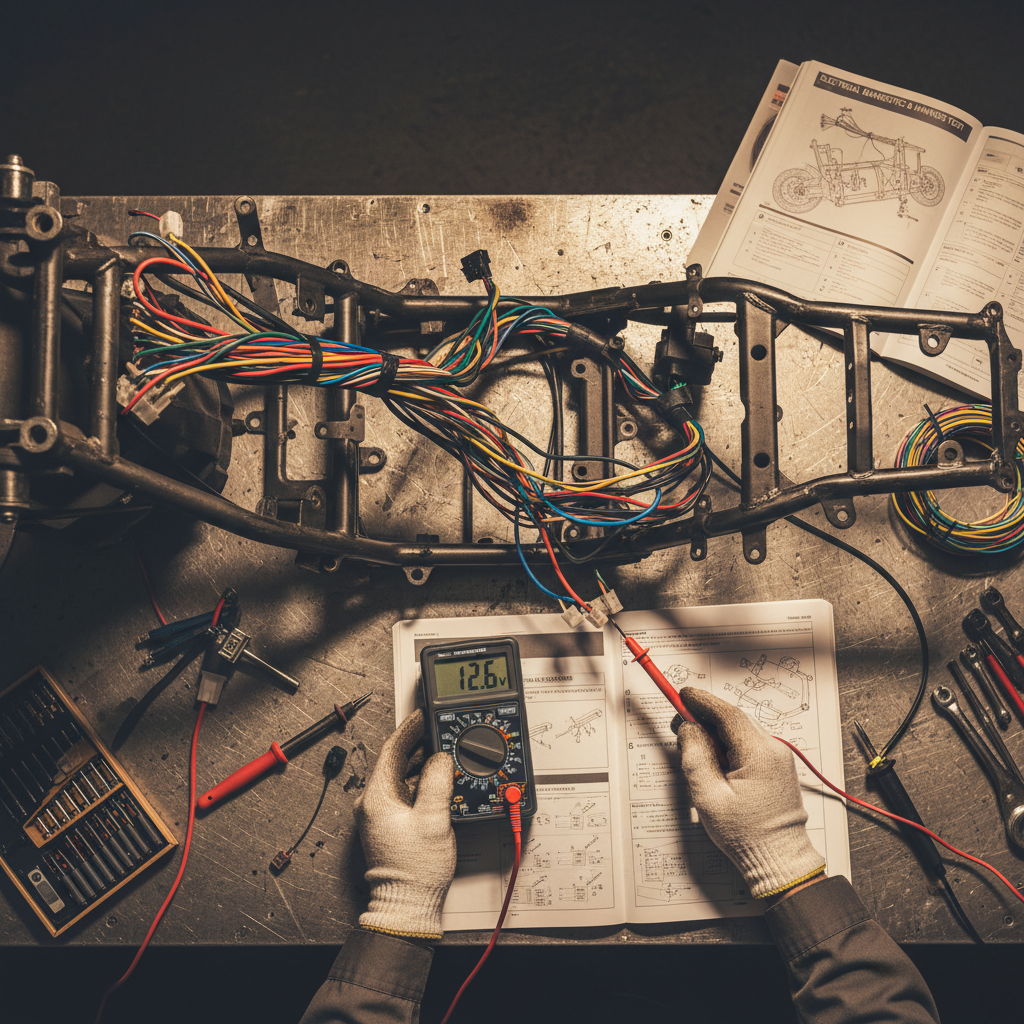
Begin by checking the battery terminals for corrosion. Corroded terminals can lead to poor electrical connections and should be cleaned with a mixture of baking soda and water. If the battery is more than three years old, it may be time for a replacement.
Inspecting the Fuses
If your car's electrical components aren't working, inspecting the fuses is a crucial next step. Locate the fuse box, which is usually under the dashboard or in the engine compartment. Refer to your vehicle's manual to identify the correct fuse for each component.
Remove the suspected fuse and examine it closely. A blown fuse will have a broken filament. Replace it with a fuse of the same amperage to avoid any potential issues.

Testing the Alternator
The alternator is essential for keeping your car's battery charged. If your car frequently stalls or the battery light is on, the alternator might be the issue. To test it, start the engine and use a multimeter to measure the voltage at the battery terminals. A healthy alternator should produce between 13.8 to 14.2 volts.
If the reading is below this range, the alternator may need repair or replacement. Consult a professional if you're unsure about performing this test.
Checking the Wiring
Faulty wiring can lead to electrical failures. Look for any visible signs of wear, such as frayed or exposed wires. These issues can cause short circuits or other electrical malfunctions.
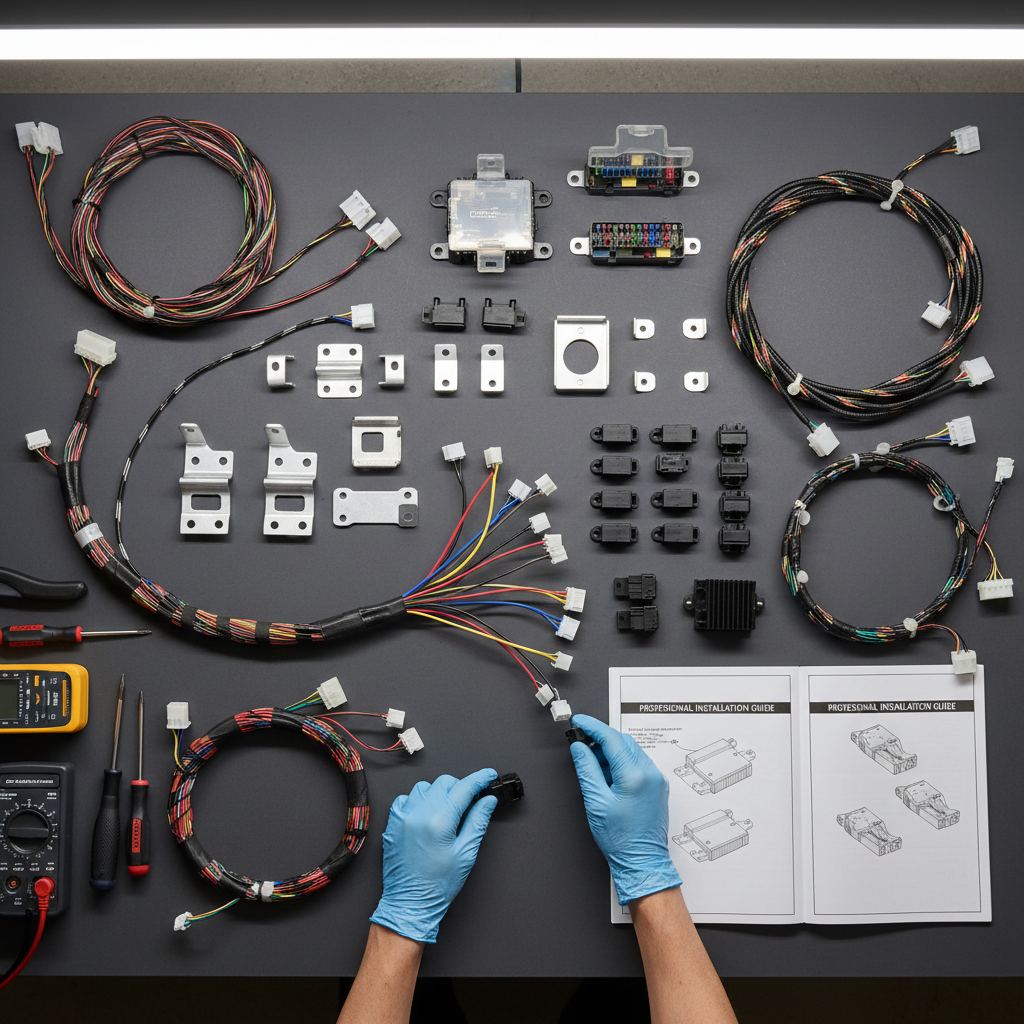
If you find any damaged wiring, it’s best to have it repaired by a professional to ensure the job is done safely and correctly.
Using Diagnostic Tools
Modern vehicles often have built-in diagnostic systems that can help identify electrical issues. Use an OBD-II scanner to read any error codes from the vehicle's computer. These codes can point you in the right direction for further troubleshooting.
Once you have the codes, refer to your vehicle's manual or look online for explanations of what they mean. This can save you time and effort in diagnosing the problem.
When to Seek Professional Help
While many electrical issues can be resolved with basic troubleshooting, some require professional expertise. If you are unable to diagnose or fix the problem yourself, it’s best to consult a qualified mechanic. Attempting complex repairs without the proper knowledge can lead to further damage.