Expert Insights: The Future of Electric Vehicles in Bristol


Introduction to the Electric Vehicle Revolution
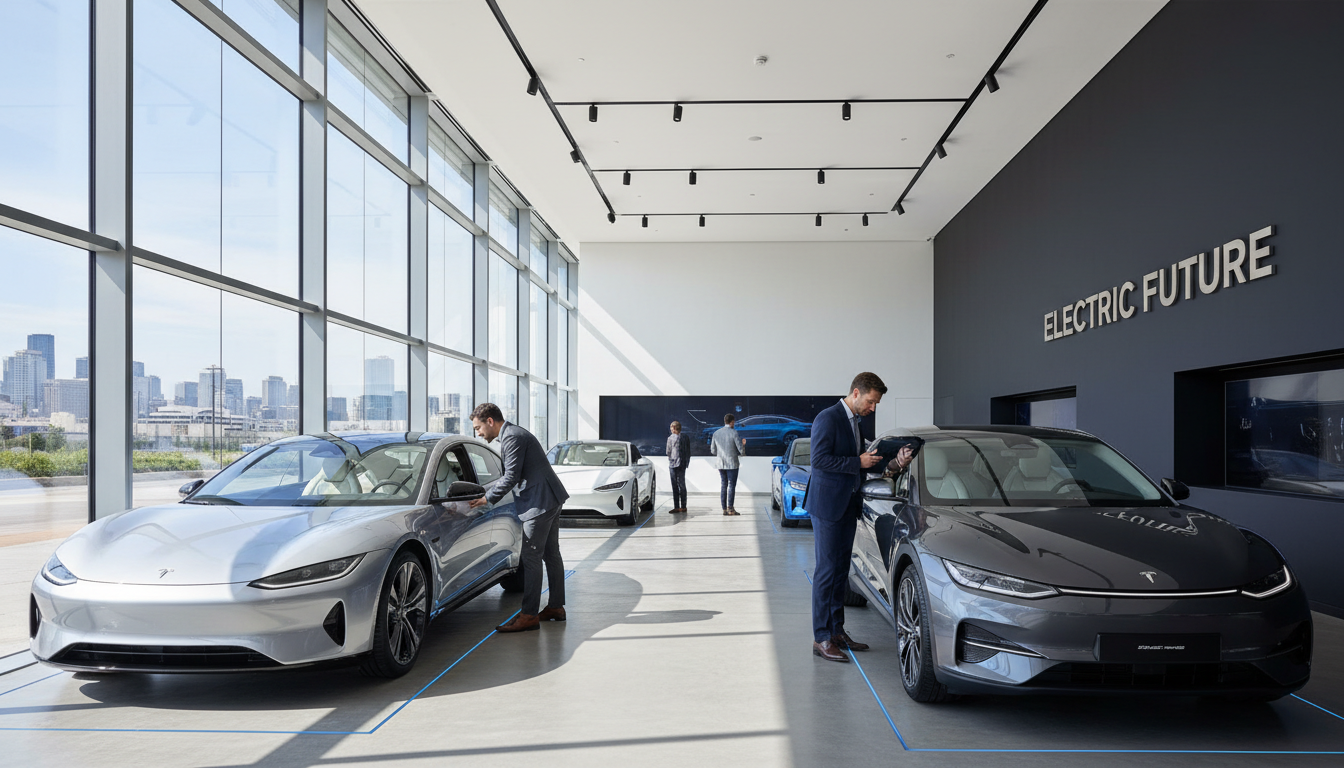
The landscape of transportation in Bristol is undergoing a remarkable transformation as electric vehicles (EVs) become more prevalent. The city, known for its environmental consciousness, is embracing this shift towards cleaner and more sustainable modes of transport. In this post, we explore expert insights on the future of electric vehicles in Bristol and what it means for residents and businesses alike.
Government Initiatives and Support
The Bristol City Council has been proactive in supporting the transition to electric vehicles. With plans to expand charging infrastructure and provide incentives for EV adoption, the government is making significant strides. Key initiatives include:
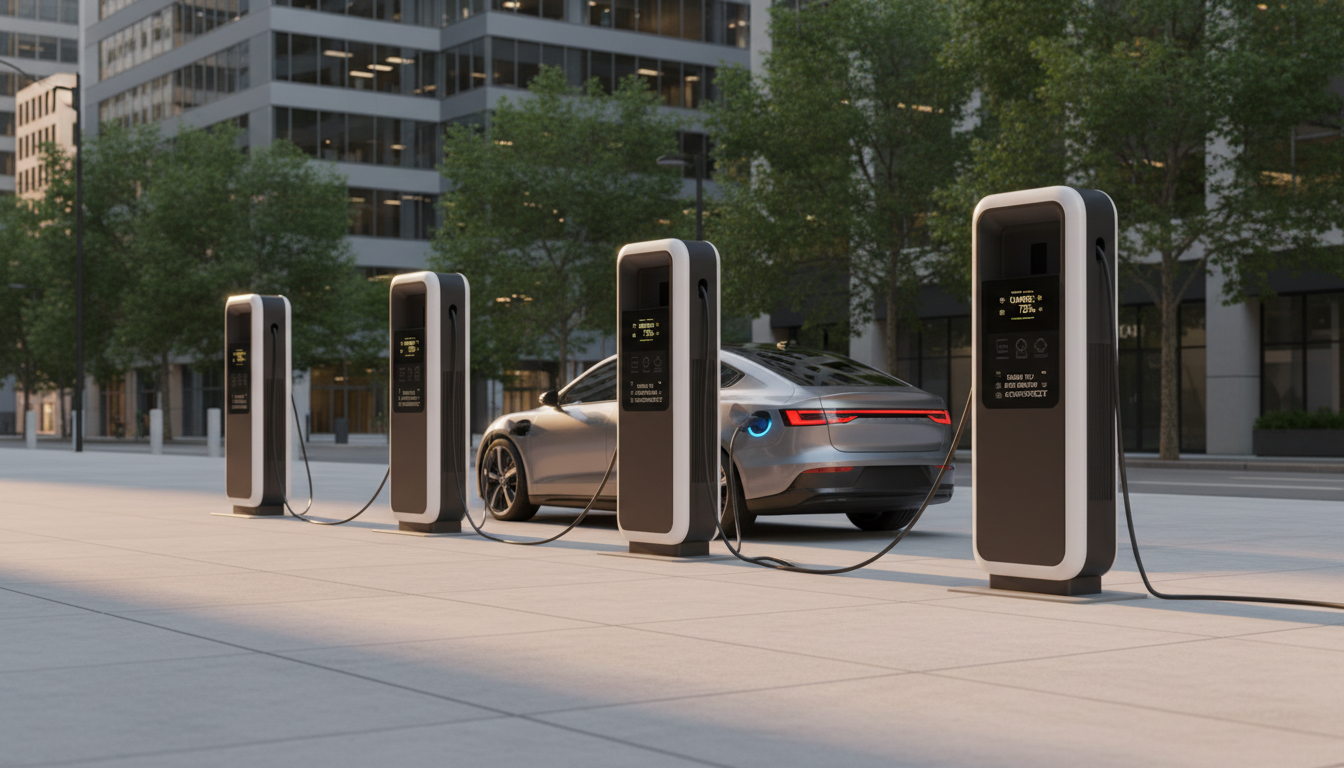
- Installation of more public charging stations across the city.
- Subsidies and grants for businesses that switch to electric fleets.
- Promotion of car-sharing schemes using electric vehicles.
These efforts aim to reduce carbon emissions and improve air quality, aligning with the city's commitment to sustainability.
Technological Advancements Driving Change
Technological innovation is at the heart of the electric vehicle revolution in Bristol. Advances in battery technology are leading to longer ranges and shorter charging times, making EVs more accessible and convenient for consumers. Furthermore, the rise of connected and autonomous vehicles promises to enhance the driving experience.
Local tech companies are playing a crucial role by developing software and hardware solutions that integrate seamlessly with EV systems. This synergy between technology and transportation is paving the way for a smarter, more efficient future.
Impact on the Local Economy
The growing EV market is not only beneficial for the environment but also for Bristol's economy. The demand for skilled workers in areas such as engineering, software development, and manufacturing is increasing. This shift is creating new job opportunities and fostering innovation within the region.
Moreover, local businesses are capitalizing on this trend by offering products and services tailored to EV owners, from specialized maintenance to charging solutions. The economic ripple effect is significant, positioning Bristol as a hub for electric vehicle development.
Challenges and Considerations
Despite the promising outlook, there are challenges that need to be addressed. The initial cost of electric vehicles remains a barrier for some consumers. Additionally, while charging infrastructure is expanding, further investment is needed to meet the anticipated demand.
Experts suggest that public awareness campaigns and continued government support will be essential in overcoming these obstacles. By educating the public and providing financial incentives, Bristol can ensure a smooth transition to an electric future.
Looking Ahead: The Vision for 2030
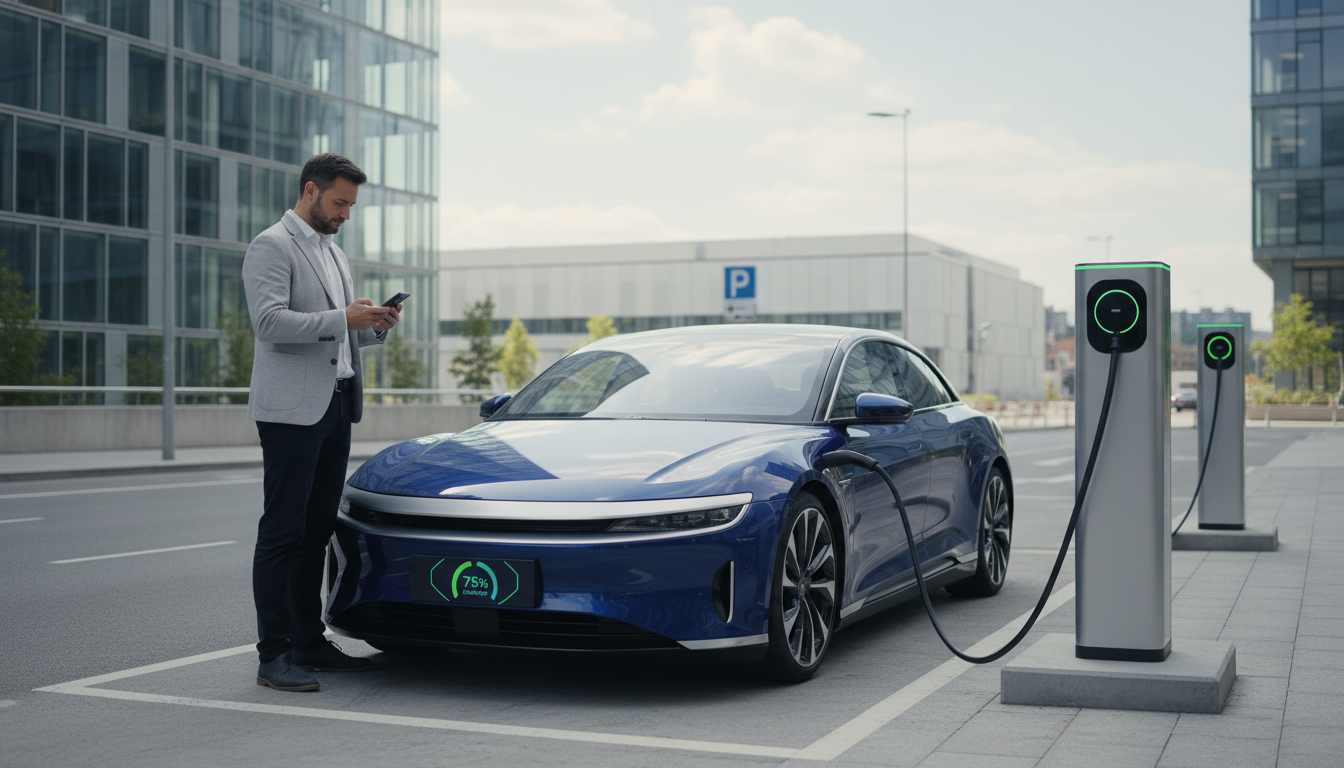
By 2030, Bristol aims to have a fully integrated electric transport system. This vision includes not only personal vehicles but also public transport and commercial fleets. The city plans to enhance its public transportation network with electric buses and invest in renewable energy sources to power charging stations.
Collaborations between the public and private sectors will be vital in achieving these goals. By working together, Bristol can become a model city for electric vehicle adoption and sustainability.
Conclusion
The future of electric vehicles in Bristol is bright, with numerous opportunities for growth and innovation. As the city continues to embrace this change, residents and businesses alike stand to benefit from a cleaner, greener, and more connected transportation system. By staying informed and engaged, the community can play a pivotal role in shaping the future of mobility in Bristol.