DIY Tips: How to Identify Common Auto Electrical Problems


Understanding Your Vehicle’s Electrical System
Your vehicle’s electrical system is a complex network that controls many functions. From starting the engine to running the stereo, these components work together seamlessly—until something goes wrong. Knowing how to identify common electrical problems can save you time and money.
Common Symptoms of Electrical Problems
Electrical issues can manifest in various ways. Here are some common symptoms to watch for:
- Dim or flickering lights: This could indicate a weak battery or a failing alternator.
- Strange odors: A burning smell might be a sign of an electrical short.
- Non-functioning accessories: If your power windows or radio stop working, there could be a wiring issue.
Checking the Battery
The battery is often the first place to check when you encounter electrical problems. Here’s how you can inspect it:
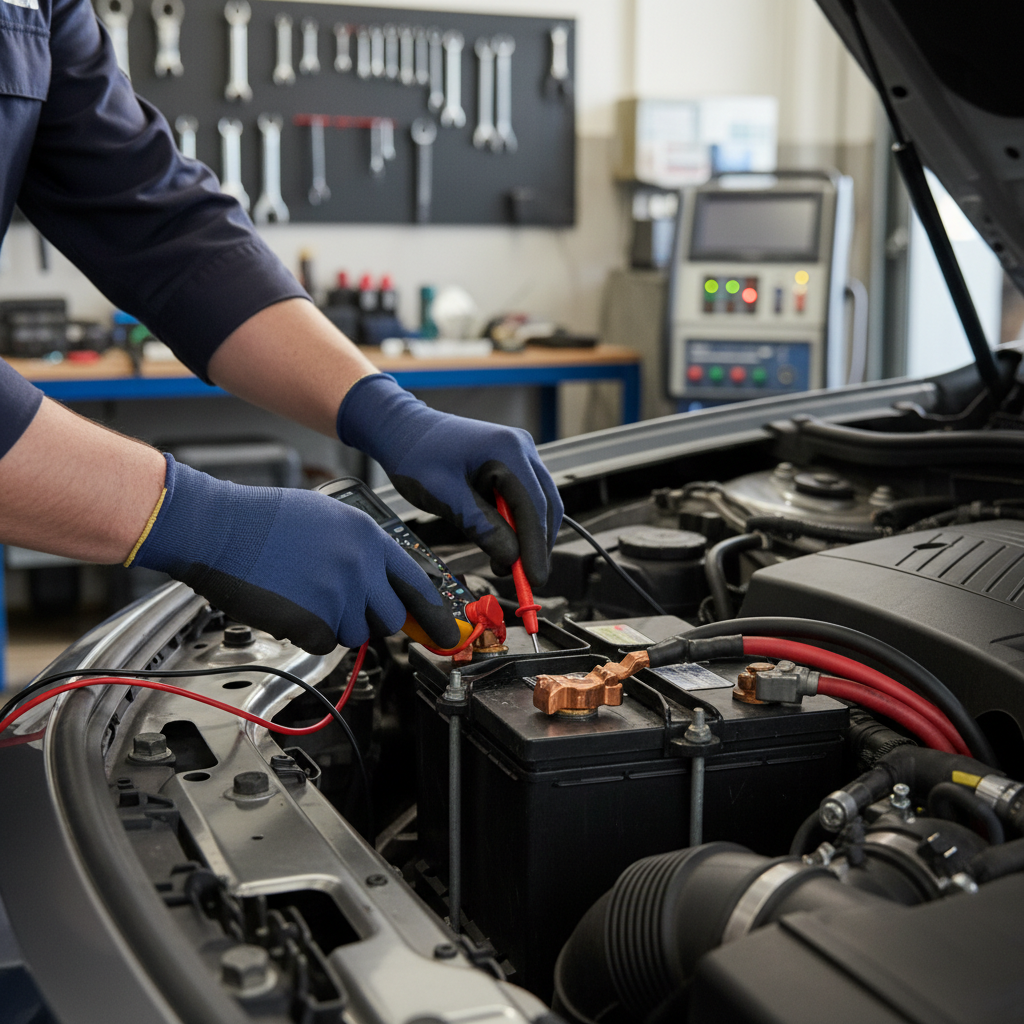
- Visual Inspection: Look for corrosion on the terminals and ensure they are tightly connected.
- Voltage Test: Use a multimeter to check the voltage. A fully charged battery should read around 12.6 volts.
If the battery is older than three years, it might be time to consider a replacement.
Inspecting Fuses
Fuses protect the electrical circuits in your car. If a certain component isn’t working, a blown fuse might be the culprit. Here’s how to check:
- Locate the fuse box, usually found under the dashboard or in the engine compartment.
- Use the diagram on the cover to identify the specific fuse you need to check.
- Remove the fuse and inspect it; a broken wire inside indicates it needs replacement.
Examining the Alternator
The alternator charges the battery and powers electrical systems while the engine is running. If you suspect alternator issues, look for these signs:
- Warning lights: The battery warning light on your dashboard may illuminate.
- Strange noises: A grinding or whining sound might indicate a problem.
Testing the alternator often requires professional equipment, so visiting a mechanic might be necessary.
Dealing with Wiring Problems
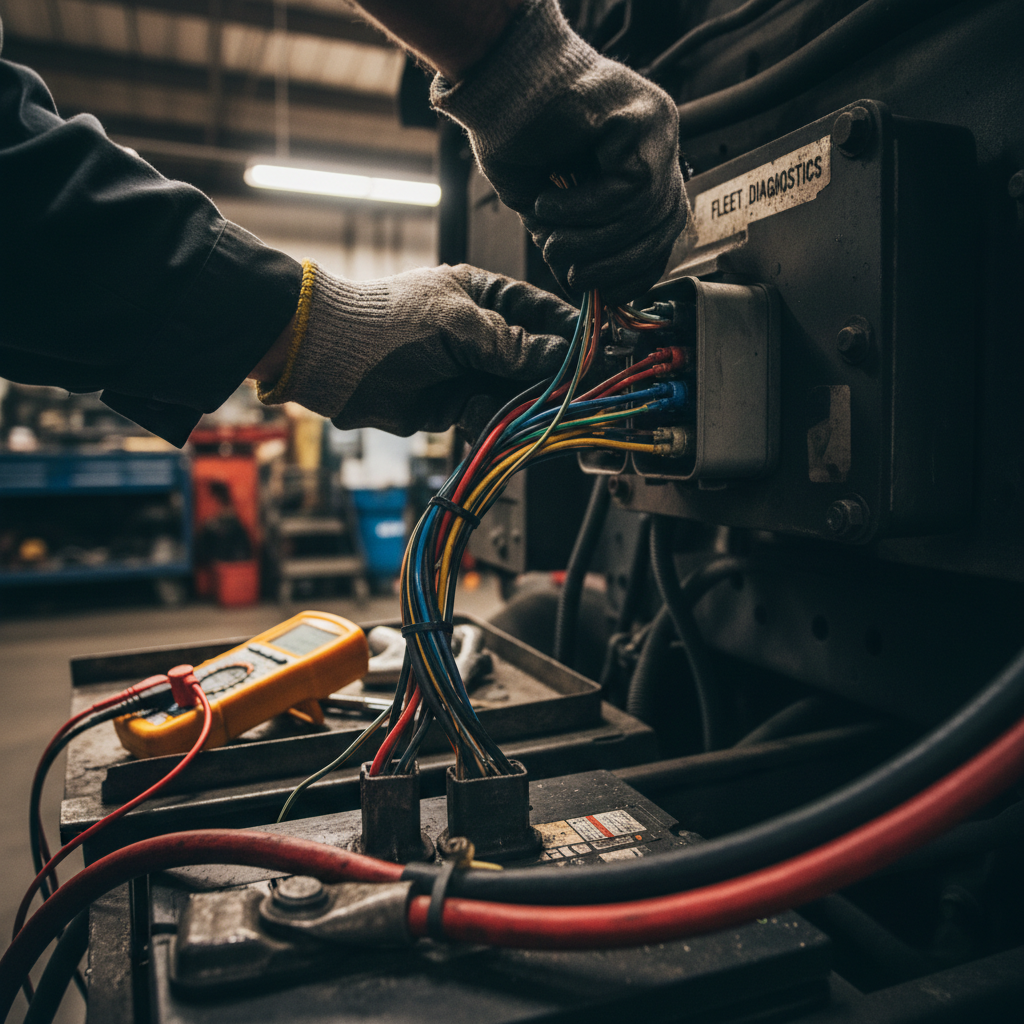
Wiring issues can be tricky to diagnose, as they may involve tracing circuits throughout the vehicle. Look for:
- Frayed or damaged wires: These can lead to shorts or failed connections.
- Loose connections: Ensure all connections are secure and free from corrosion.
If you find damaged wiring, it’s often best to consult a professional, as improper repairs can lead to further issues.
When to Seek Professional Help
While DIY troubleshooting can resolve many minor electrical issues, some problems require professional expertise. If you’re unable to identify the problem or feel uncomfortable performing certain checks, it’s wise to consult a certified mechanic. Regular maintenance and inspections can also prevent many common issues, keeping your vehicle running smoothly.