DIY Car Electrical Troubleshooting Tips from the Experts


When your car experiences electrical issues, it can be both frustrating and perplexing. However, understanding some basic troubleshooting tips can save you time and money. With the right approach, you can often identify and resolve minor electrical problems on your own.
Understanding Your Car's Electrical System
Before diving into troubleshooting, it's essential to have a basic understanding of your car's electrical system. The system includes the battery, alternator, starter, and various wiring components. Each part plays a crucial role in ensuring your car operates smoothly.
The battery supplies the necessary power to start the engine, while the alternator charges the battery and powers the electrical system when the engine is running. The starter uses the battery's power to crank the engine. Familiarizing yourself with these components can help you pinpoint potential issues.
Identifying Common Electrical Problems
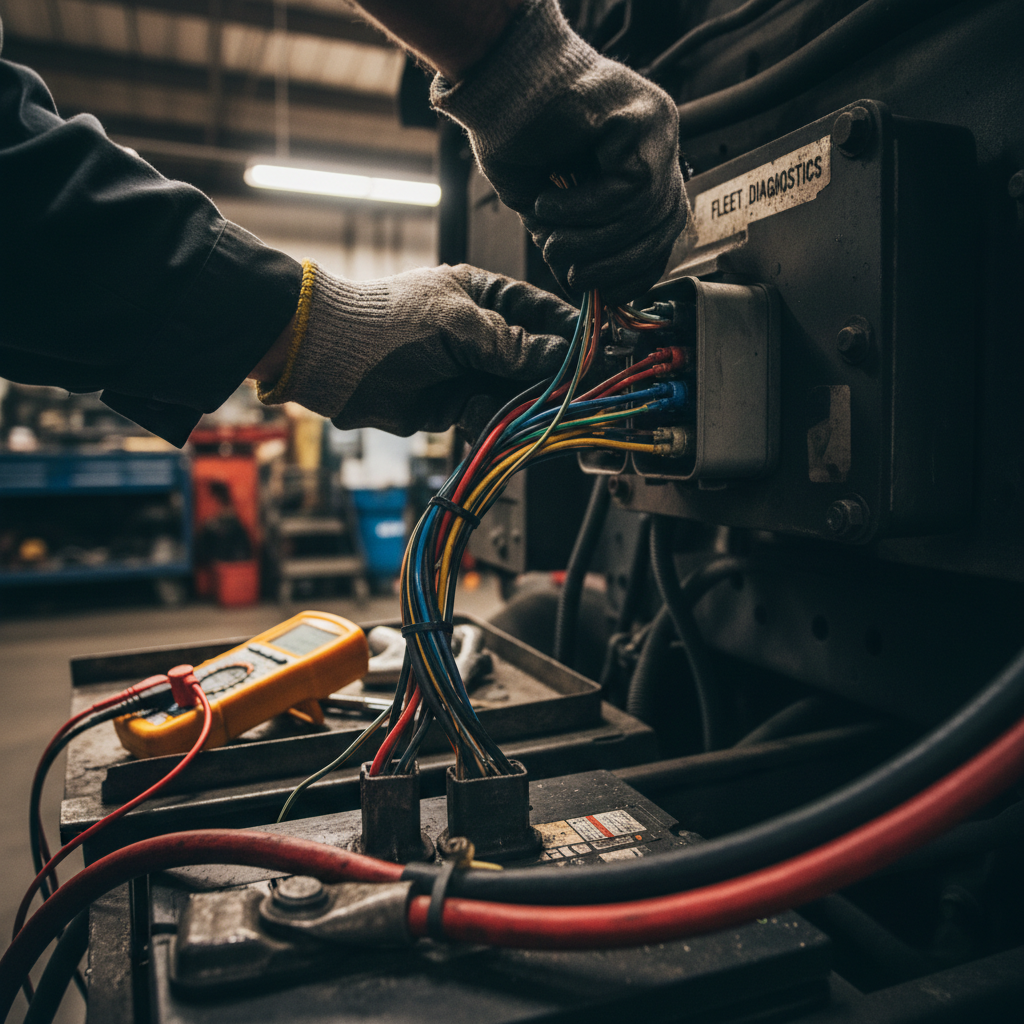
Common electrical issues include a dead battery, faulty alternator, blown fuses, and worn-out wiring. If your car won't start, the battery might be the first thing to check. A simple way to test the battery is to turn on the headlights. If they are dim or don't turn on, the battery might be the culprit.
Another frequent problem is a malfunctioning alternator. If your car's electrical system seems to be failing while driving, it's a sign that the alternator may not be charging the battery properly. Additionally, check for blown fuses if specific electrical components, like the radio or lights, aren't working.
Using a Multimeter for Diagnostics
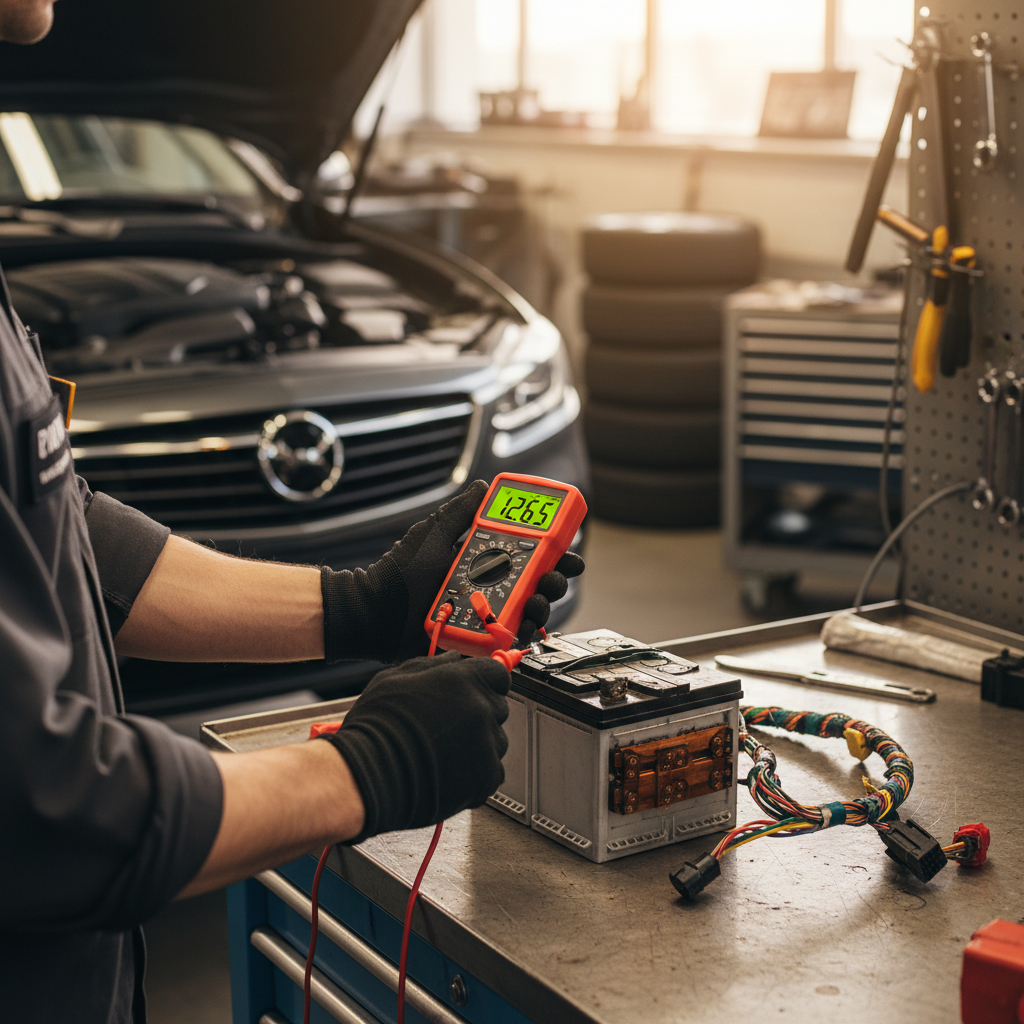
A multimeter is an invaluable tool for diagnosing electrical issues. It allows you to measure voltage, current, and resistance, helping you identify problem areas. Start by testing the battery's voltage. A healthy battery should read around 12.6 volts when the engine is off. If the voltage is lower, the battery may need charging or replacement.
Inspecting Wiring and Connections
Wiring issues can often cause electrical problems. Inspect the battery cables for corrosion or damage. Clean any corrosion with a mixture of baking soda and water, ensuring all connections are tight. Loose or corroded connections can lead to poor electrical flow and result in various issues.
Additionally, check the wiring harness for any signs of wear or damage. If you notice any frayed wires, it's crucial to address them immediately to prevent short circuits or further damage. Use electrical tape or heat shrink tubing to repair minor issues.
Replacing Fuses and Relays
If specific components are not working, a blown fuse might be the cause. Locate your car's fuse box, usually found under the dashboard or in the engine compartment. Use the diagram on the fuse box cover to find the appropriate fuse. Replace any blown fuses with ones of the same amperage.
Relays can also fail and cause electrical issues. They are often located in the same area as the fuses. Test or replace any faulty relays to restore functionality to the affected components.
When to Seek Professional Help
While DIY troubleshooting can resolve many minor electrical issues, some problems require professional expertise. If you've exhausted these tips and the issue persists, it might be time to consult a mechanic. Complex issues, such as those involving the car's computer system, are best handled by professionals.
Remember, safety is paramount when dealing with electrical systems. If you're unsure about any step in the troubleshooting process, seek expert assistance to avoid potential hazards. With patience and the right approach, you can effectively handle many of your car's electrical challenges.