DIY Car Electrical Troubleshooting: What You Can Fix and When to Call an Expert


Understanding Your Car's Electrical System
Your car's electrical system is a complex network that controls everything from the ignition to the lights. Understanding the basics can help you identify minor issues and decide when professional help is needed. Start with familiarizing yourself with the main components: the battery, alternator, and fuses.
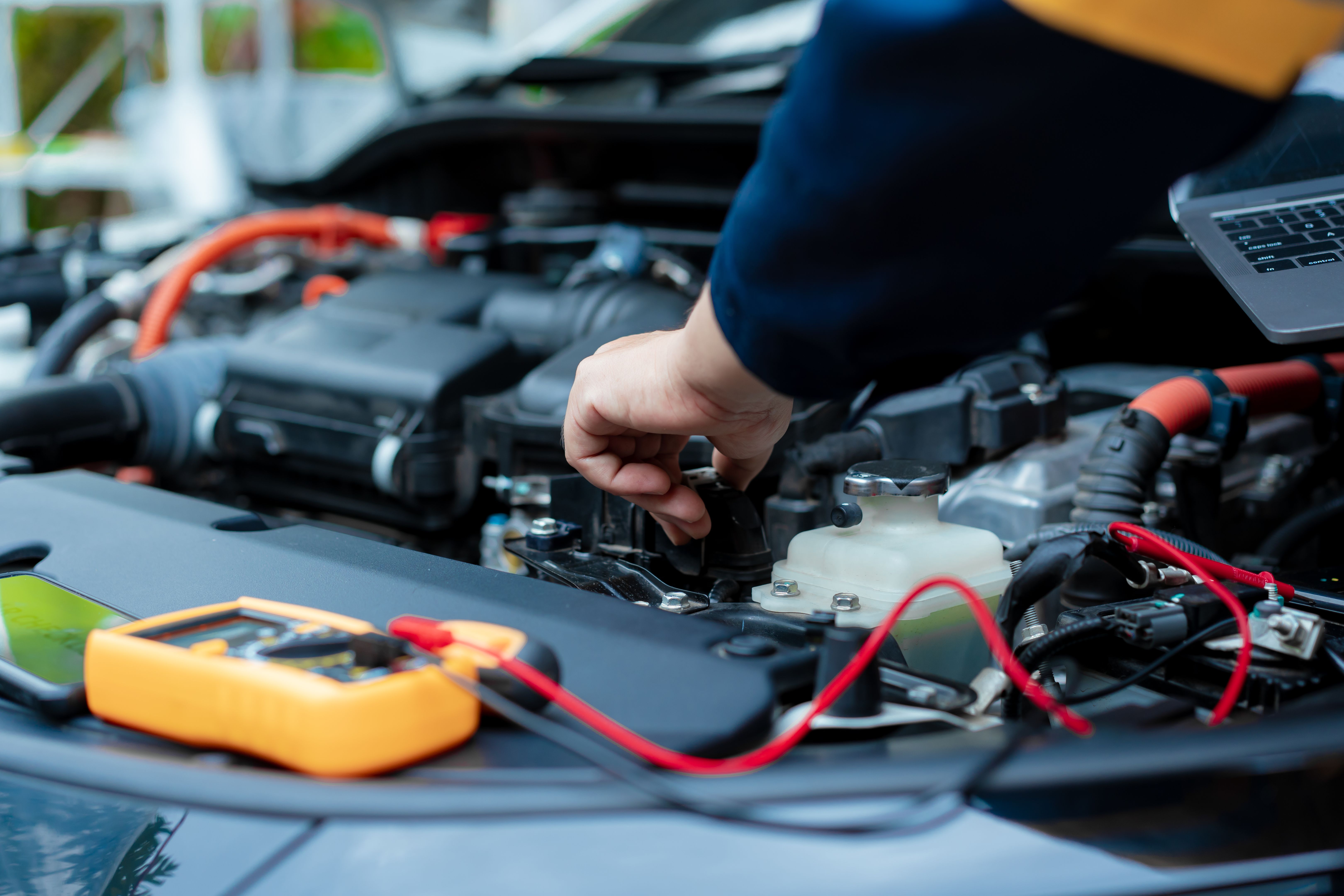
The battery is the heart of your car's electrical system, providing the power needed to start the engine. The alternator charges the battery and powers the electrical system when the engine is running. Fuses protect these components from power surges.
Common DIY Fixes
There are several issues you can troubleshoot and fix on your own. Here are a few common problems and solutions:
- Dead Battery: If your car won't start, check the battery connections. Clean any corrosion and ensure the terminals are tight.
- Blown Fuses: If certain features like lights or the radio aren't working, inspect the fuse box. Replacing a blown fuse is simple and inexpensive.
- Dim Lights: Check the battery and alternator if your headlights are dim. Ensure all connections are secure.
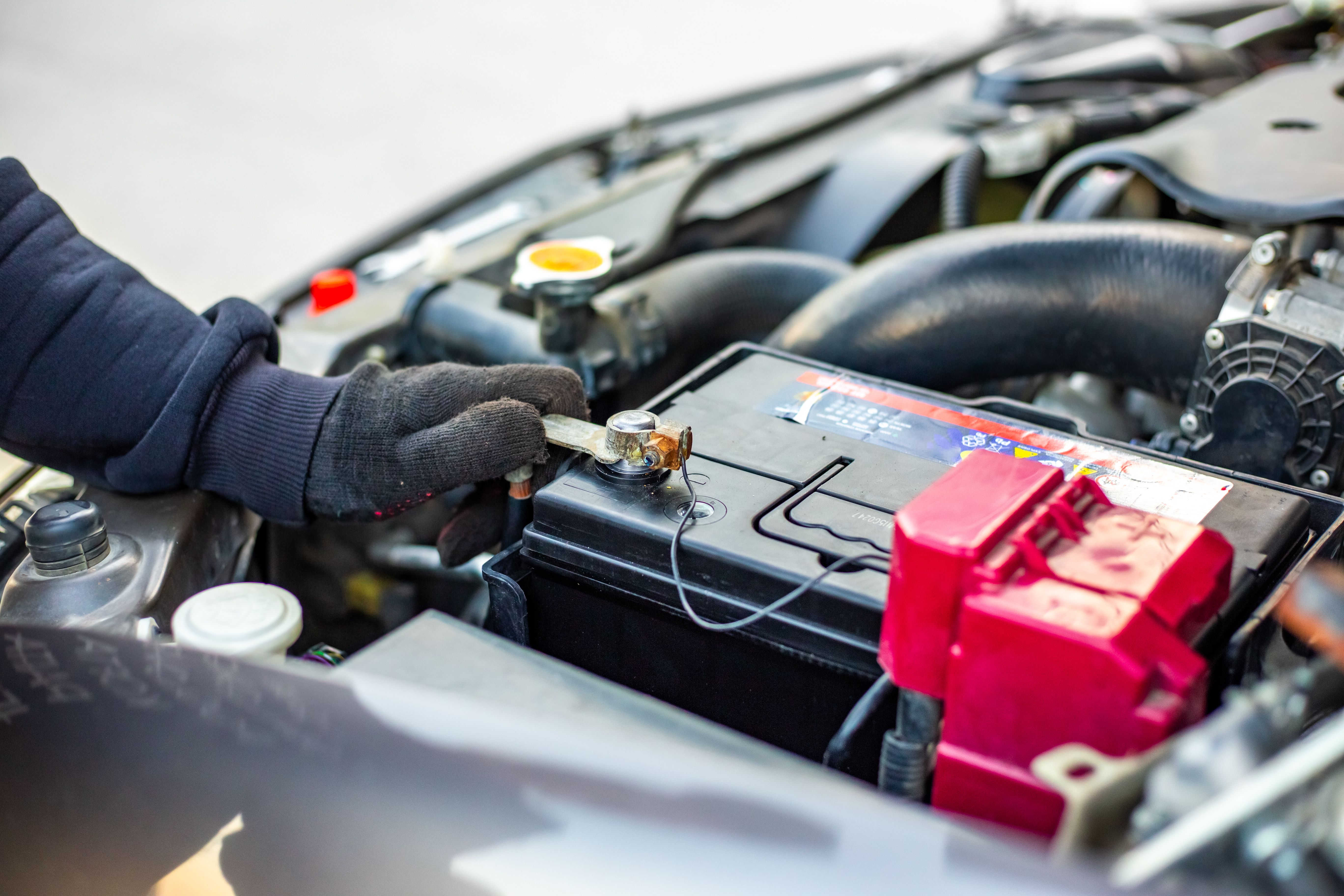
Before attempting any DIY fixes, ensure you have the right tools and safety gear. A multimeter can be invaluable for testing electrical components.
When to Call an Expert
While some issues are manageable, others require professional expertise. Here’s when you should consider calling an expert:
- Persistent Electrical Issues: If problems recur after a DIY fix, there could be an underlying issue that needs professional diagnosis.
- Complex Electrical Problems: Issues with the car’s computer, wiring, or alternator should be handled by a professional.
- Safety Concerns: If you're unsure or uncomfortable working with the electrical system, it's best to consult a professional.
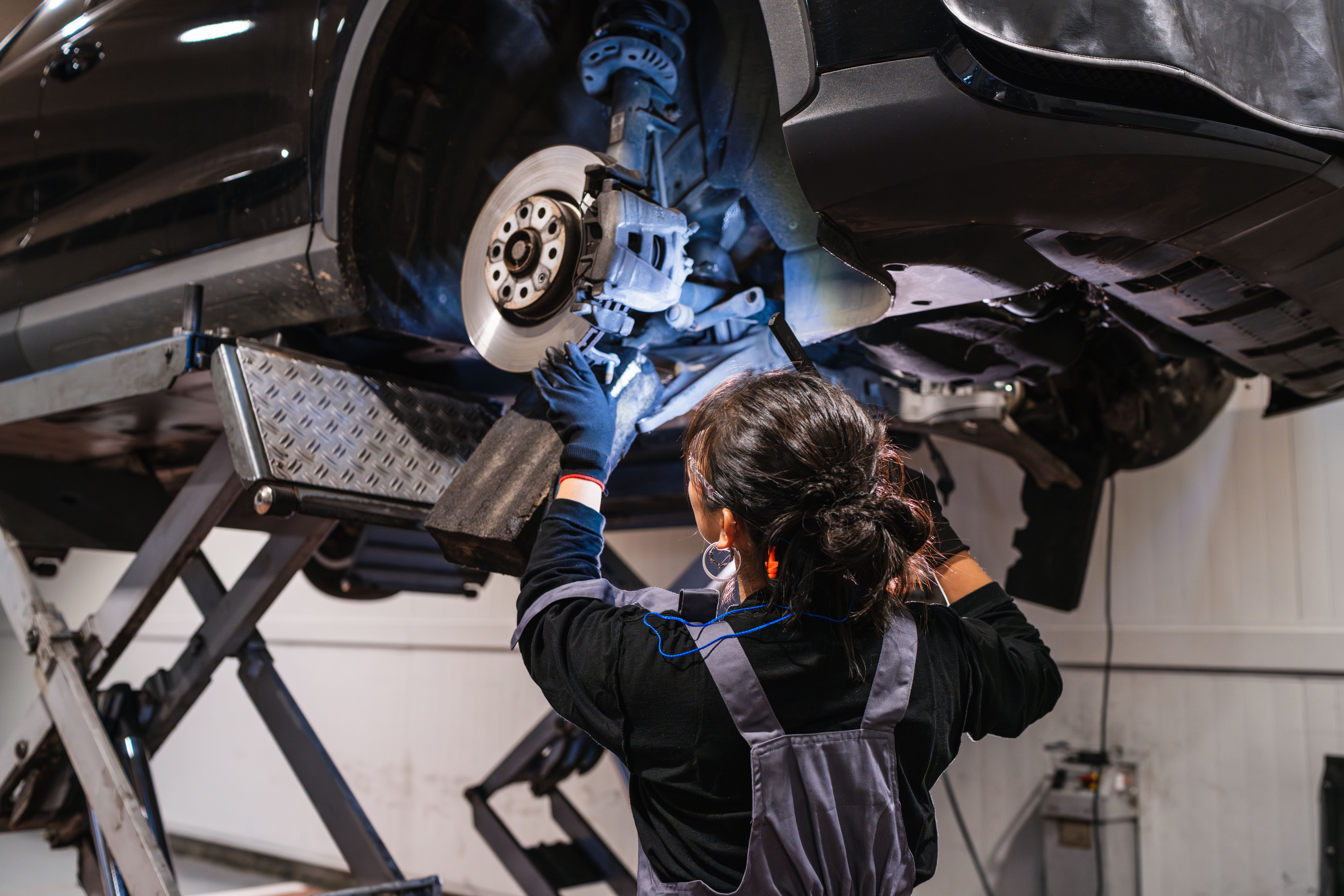
Calling in a professional not only ensures the problem is resolved correctly but also prevents potential damage to your vehicle's electrical system.
Tools and Resources
Having the right tools can make DIY troubleshooting easier. Consider investing in:
- Multimeter: Essential for testing voltage and continuity.
- Battery Charger: Handy for maintaining battery health.
- Fuse Kit: A variety of fuses for quick replacements.
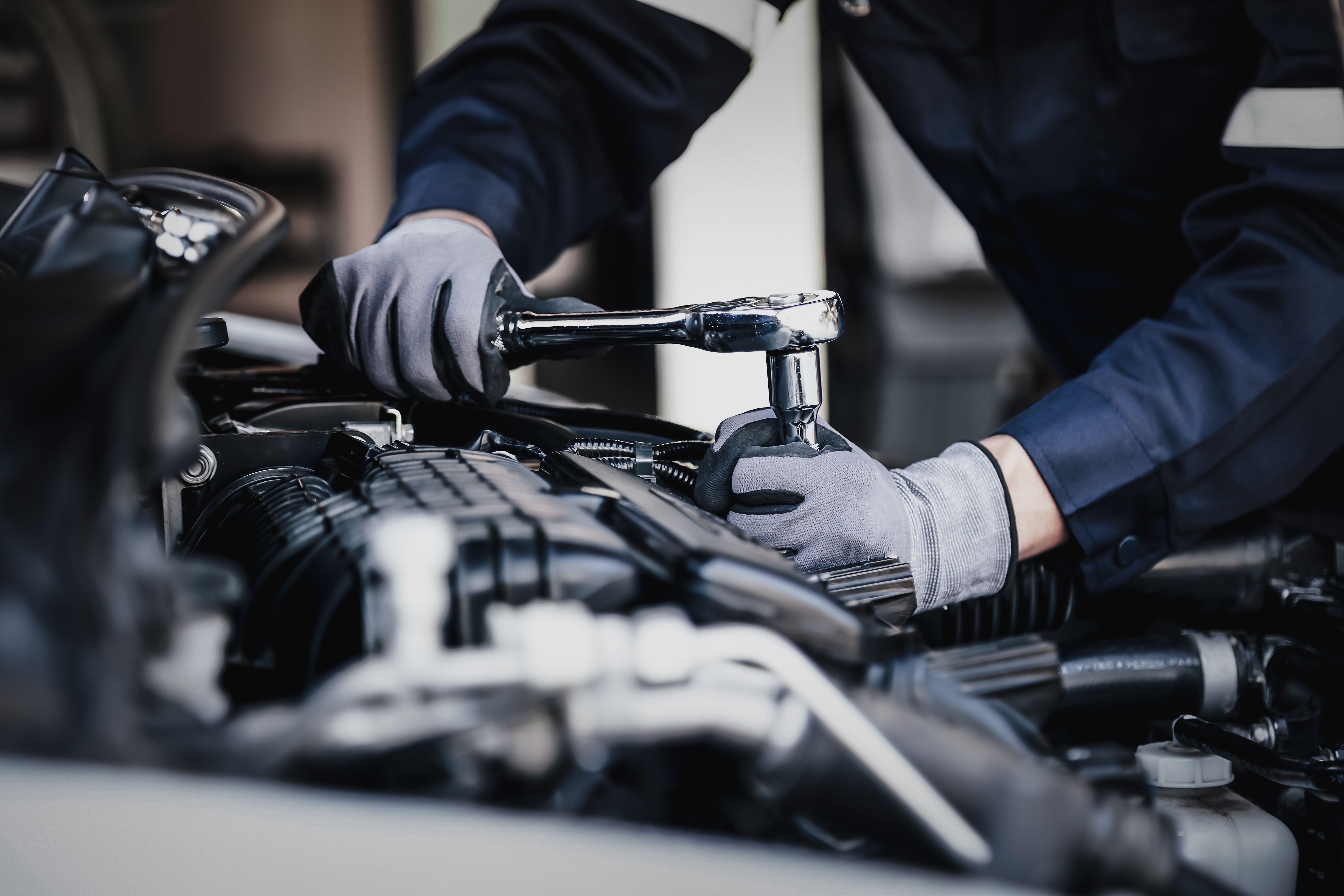
Utilize online resources and forums to gather information and tips from fellow car enthusiasts. Videos and tutorials can provide visual guidance for complex tasks.
Conclusion
DIY car electrical troubleshooting can save you time and money. By understanding the basics and knowing your limits, you can address minor issues confidently. However, don’t hesitate to seek professional help for complex or persistent problems. Maintaining your car's electrical system ensures a safe and efficient driving experience.